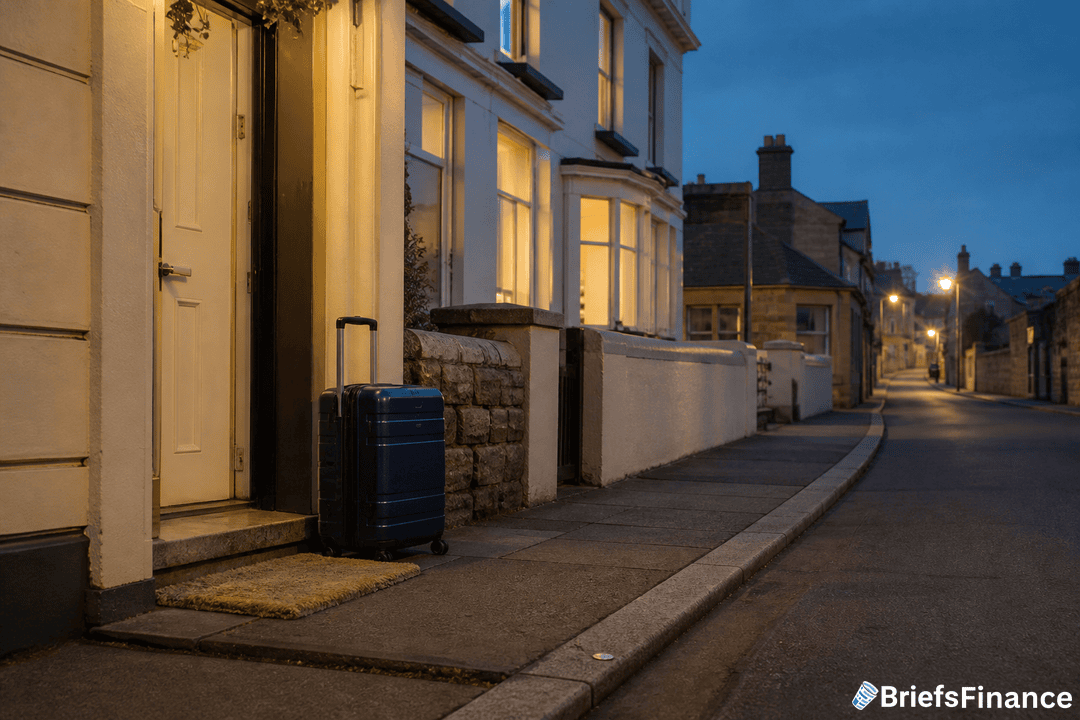
England's mayors are a step closer to being able to charge an overnight fee on tourists and keep the proceeds for local priorities, as part of a wider push to hand more control to city and regional leaders. Cat Simmons, the prime minister's spokeswoman, said on Thursday that mayors would choose whether to apply a levy and how to spend it, after consulting residents and businesses. The concept was developed under Keir Starmer and now sits inside Prime Minister Andy Burnham's devolution agenda. Burnham, a former Greater Manchester mayor, has made shifting more revenue-raising and spending power to the regions a core promise.
Local leaders would get a lot of flexibility. There would be no cap on the rate, and mayors could set carve outs they think make sense for their area. Simmons said the government intends to pass legislation granting these powers before this parliamentary term wraps up in mid-2029, and that any mayor wanting to bring in a levy must first hold a consultation.
To avoid outsized bills in cheaper destinations, the government wants any charge set as a percentage of accommodation costs instead of a flat fee. "Any levy should be proportionate and charged as a percentage of accommodation costs rather than a flat fee," Simmons said. Ministers also noted the move sits alongside a 20% reduction in business rates for bars, nightspots and live music spaces, plus a commissioned examination of the valuation approach used for hotels and pubs for business rates.
Local decisions can affect your finances, so keep your savings and plans resilient. Join Briefs Finance CEO Jaspreet Singh on September 29th for a FREE live investor workshop, How to Profit From A Dollar That's Losing its Value, where he shows how we're spotting investment opportunities as the dollar falls. Save your spot.
Not everyone is sold. "The lack of a cap on rates is a real issue," said Alice Jeffries, the Confederation of British Industry's tax policy manager. "Holidaymakers face varied and potentially high rates now, and the uncertainty of rate creep later is a real risk that has already materialized in other countries like France and Spain." UKHospitality warned the plan could "price working families out of a British holiday," pointing to Oxford Economics analysis that a 5% levy could curb tourist stays and trim around £2 billion ($2.7 billion) from annual UK economic output in 2030. The opposition Conservatives also criticized the proposal, arguing it would add pressure to a sector already dealing with recent National Insurance increases and employment reforms.
According to Secretary of State Angela Rayner, the policy would enable mayors to direct funding to where it is most needed. "It'll help support the local services, public spaces and attractions that both residents and visitors rely on, with decisions taken by people who know their area best," she said after chairing a meeting of mayors at No. 10 North, the new Manchester branch of the prime minister's office. The idea was first unveiled last year by then chancellor Rachel Reeves and has not yet been implemented.
In July, shortly after he took office, Burnham signaled plans to allocate to local leaders a share of income tax raised in their regions, with more details due in the Oct. 28 budget. Officials cite OECD data showing the UK collects a smaller share of taxes at the sub national level than the EU average and the lowest in the G7, and point to OECD research linking greater fiscal decentralization with stronger growth.
For your wallet, this comes down to where you travel and where you invest: a percentage-based, uncapped levy could lift accommodation bills in some hotspots while potentially funding local amenities that make those places more attractive - and hospitality demand may shift if rates climb.
Thoughtful guidance helps protect and grow what you have over the long term. Our CEO Jaspreet Singh is hosting a FREE live investor workshop, How to Profit From A Dollar That's Losing its Value, on September 29th. Sign up free to join him live.