Opening: Russian drivers now queue for hours at filling stations. Gasoline prices just posted their biggest weekly jump in at least two decades last week. President Vladimir Putin said, "not critical."
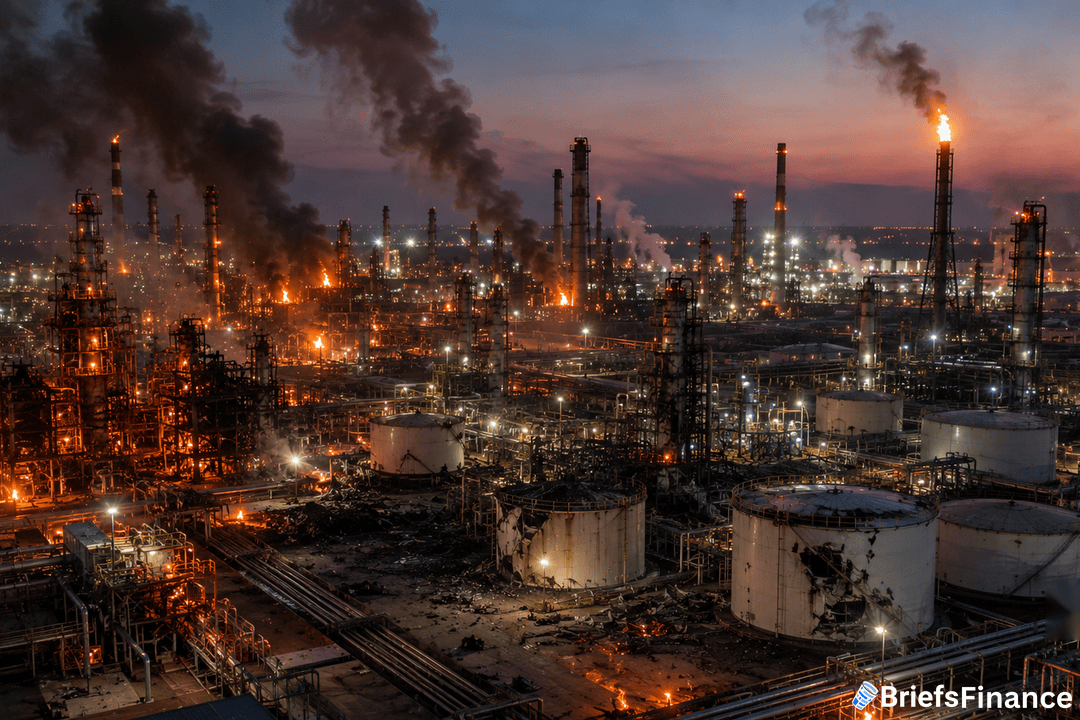
Ukraine has stepped up its drone strikes on Russian oil refineries. In all of 2025, there were 82 attacks. These strikes hit facilities up to 2,000 kilometers from the Ukrainian border - well within the reach of Ukraine's new missiles, which can travel 3,000 kilometers.
As a result, a severe fuel shortage emerged nationwide. Motorists faced lengthy queues and elevated costs at fueling stations.
Average diesel prices rose 2.3% in the same week to 84.84 rubles per liter. A Lukoil gas station in Moscow is shown in the accompanying photo.
Get your free investing masterclass bonus when you join Market Briefs, our free daily newsletter
The Bank of Russia cut its key rate by 25 basis points in June 2026, bringing it to 14.25%. In a statement, the Bank of Russia said: "Fuel-market developments and the scale of secondary effects will be taken into account when making further monetary policy decisions."
The fuel issue is politically sensitive. Russia's parliamentary elections are scheduled for September 2026. Voters who wait in long lines for expensive gasoline may take their frustration to the ballot box.
The fuel shortages have cascading effects beyond the pump. Agricultural operations are hampered as farmers struggle to secure diesel for tractors and harvesters, potentially threatening the upcoming harvest season. Public transportation networks in several cities have reduced services, and logistics companies are rerouting to find available fuel, driving up costs for everyday goods.
The fuel crisis compounds existing economic strains in Russia. The frequency of drone attacks has surged in 2026, with more than 50 strikes in just six months, compared to 82 in all of 2025. This relentless assault has strained Russia's defense and repair capabilities. With refineries under continued attack and no moratorium on long-range strikes, the Kremlin faces a deepening vulnerability ahead of the September elections.
The central bank's future decisions will depend on fuel costs. Russia's refineries remain vulnerable because President Putin said Russia rejected proposals to stop long-range strikes into each other's territory. Ukraine has expanded its missile range, meaning more attacks are likely. If refinery output keeps falling, gasoline prices could climb even higher - adding pressure on both the economy and the Kremlin ahead of the elections.
Subscribe to Market Briefs, our free daily newsletter, and claim your bonus investing masterclass