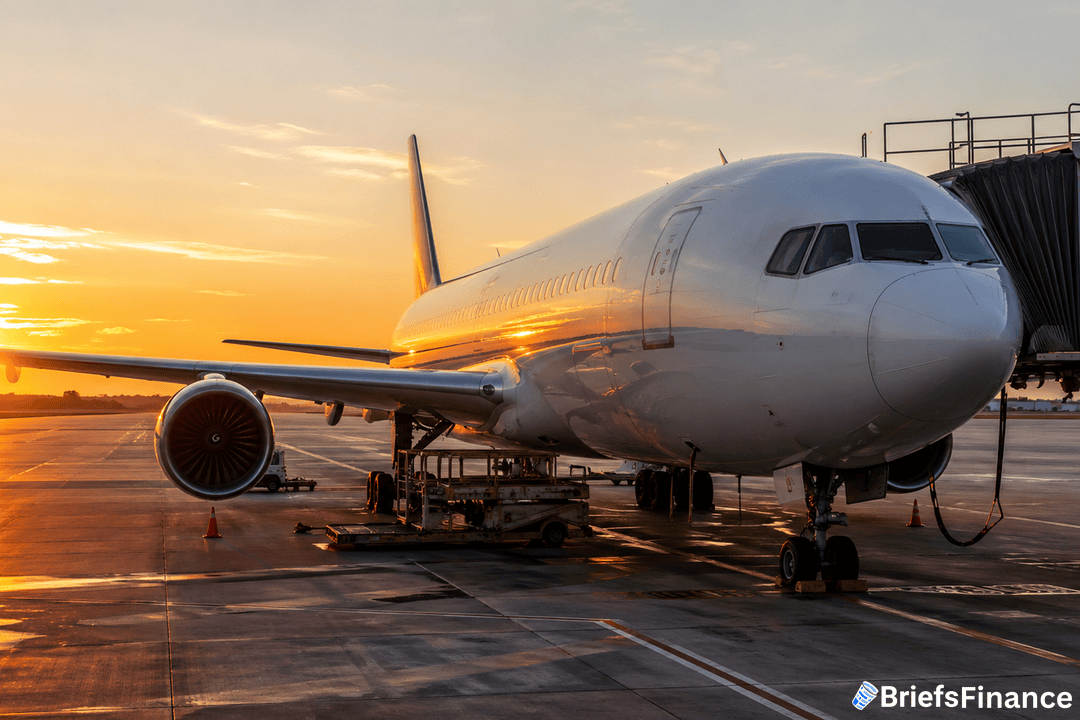
United Airlines just told flyers the Iran war is on their ticket now.
The firm is raising fares on its domestic and global routes by up to 20%. The driver is a big spike in jet fuel costs.
That cost spike is tied to the US-Iran conflict and its hit on the Strait of Hormuz.
Jet fuel is made from crude oil. When crude prices spike, jet fuel prices follow.
The US-Iran fight has pushed crude higher. Supply out of the Gulf has been cut, and shipping routes have been thrown off.
Jet fuel prices have climbed faster than the crude move suggests. That gap is what is driving the fare move.
Jet fuel is one of the two biggest costs for any airline, right next to wages. When fuel jumps, margins get squeezed fast.
United has been paying more per gallon than it did at the start of the year. Some of that can be hedged, but most flows through to the P&L.
The fare move is the firm's way to claw some of that cost back.
A 20% fare rise is not across the board. The firm is raising fares on most major routes but not by the same amount on each.
Routes to and from hub cities are likely to see the biggest jumps. Short-haul domestic routes may see smaller moves.
In plain terms, the cost of a summer trip just went up.
United often leads fare moves. When one big airline raises prices, most others match within a few days.
Expect Delta and American to follow soon. That is the pattern in every prior fare cycle.
If one firm holds out, the move can fail. If most match, fares stick at the new level for the rest of the year.
For flyers, the math is simple. A 20% fare bump on a $400 round trip is an extra $80.
Over a full summer, that adds up fast for anyone flying for work or a family trip.
For investors, the read is also simple. Airlines only raise fares when they think they can get away with it. A move this size says the firm sees demand holding up even with higher prices.
Fare rises can backfire. If flyers pull back hard, the firm ends up with higher prices and fewer seats sold.
That risk is real right now. Sentiment is at a record low, and summer travel budgets were already tight.
United is betting the demand is there. The next two months will show if that bet pays off.
Summer is peak travel season. Most airlines make a big share of their full-year money between May and August.
That is why United moved now. A fare rise that takes hold in the busy quarter can pay for months of higher fuel bills.
If the fare move holds through summer, the firm can claw back most of the fuel hit. If it breaks, the full-year outlook goes down with it.
Fuel spikes are a well-known story for airlines. Every Gulf crisis in the past 40 years has pushed fares up at least a little.
This one is larger than most. And United just picked the number.
The ticket bill is going up.