There is a quiet corner of the bond market that pays investors to worry about rising prices. Inflation-protected bonds/), also called inflation-indexed bonds, adjust their interest payments upward when inflation rises, so the income keeps pace with the cost of living.
The argument is not that inflation is already out of control; it is that the Federal Reserve may not be fast enough to stop it.
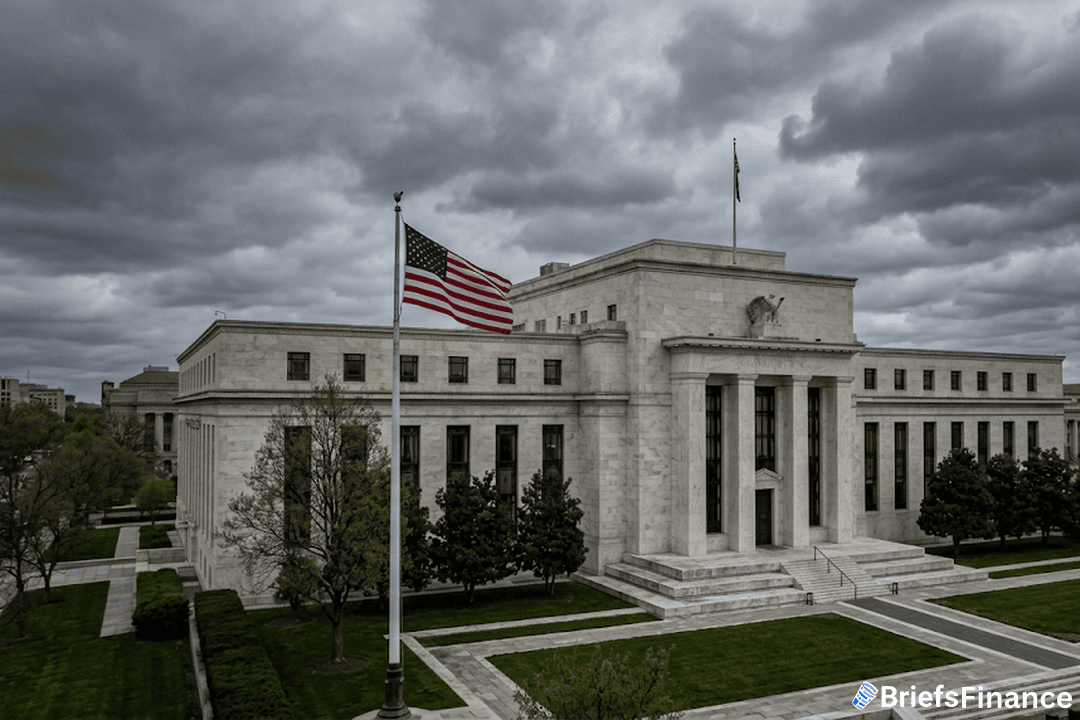
The worry grew louder last week after Fed Chairman Kevin Warsh declined to spell out how policymakers would control inflation, and long-dated US yields jumped to levels not seen in almost two decades. Warsh has a record of taking inflation seriously, but his silence on the path stoked worries that the Fed might act too late.
The market's inflation expectations, known as breakevens, are near their lowest level in a year. That looks like a strange time to buy inflation protection, unless you think the Fed will let prices run above its 2% target.
Some investors see the current setup as attractive for the opposite reason. Low breakevens can mean the market is not ready for energy costs to ripple through the economy, and volatile oil markets plus worries about government spending have added to the pressure.
Get the free Always Be Buying eBook and learn the simple system for building wealth on any income
The real yield on 30-year US inflation-indexed government bonds is 2.93%, which is the return an investor gets after inflation is stripped out. That still leaves a cushion near the highest level in almost two decades, after Friday's touch of 3.04%. A 30-year real yield at nearly 3% is a meaningful starting point for an inflation-protected bond.
Some investors find those yields attractive because central banks may be willing to tolerate faster inflation, and Societe Generale's Jorge Garayo says current real yields make these bonds attractive: "We still view inflation-linked bonds as offering value at current real yields." He calls a comprehensive Middle East peace accord highly unlikely, and he argues low breakevens show investors are complacent that energy-price gains will feed through into prices and wages.
HSBC's Dhiraj Narula again made the case after the Fed meeting for owning long-term US government debt linked to inflation. He points to uncertainty about the Fed's "longer-run commitment to inflation control."
Barclays' Jon Hill, who directs the bank's US inflation research, put it directly: the Fed left interest rates alone, a move the market interpreted as a "dovish hold" with questionable credibility. Hill expects investors to price greater inflation risk into longer-term bonds, a shift that should push breakevens higher and help indexed debt beat conventional bonds.
Some managers are not waiting for the argument to settle. Kevin Kidney at True Potential Investments LLC has raised the share of inflation-indexed government debt in his firm's main multi-asset funds to about 20% because he worries central banks, especially the US Federal Reserve, will accept faster inflation.
"We believe that central banks are willing to accommodate a higher level of inflation than they communicate," he said.
Rabobank's Stefan Koopman makes a different case: "The investment case for inflation-linked bonds is not simply that inflation stays above 2%." He added, "Rather, it's that 2% may increasingly act as a floor rather than a ceiling."
This debate is about more than a single bond index. If the Fed treats 2% as a floor instead of a ceiling, ordinary government bonds become a less reliable store of value over time.
The current setup makes that risk worth weighing. The 30-year real yield is 2.93% after touching 3.04% on Friday, so that protection now pays unusually well. That combination is why the Fed's credibility, or lack of it, is moving money into indexed debt.
Inflation-protected bonds are one way to guard against that risk, and they are not a prediction of disaster. On Friday, that protection came with the highest real yield since 2008, and for your portfolio, that trade-off is now front and center.
Download the free Always Be Buying eBook and start putting your money to work today