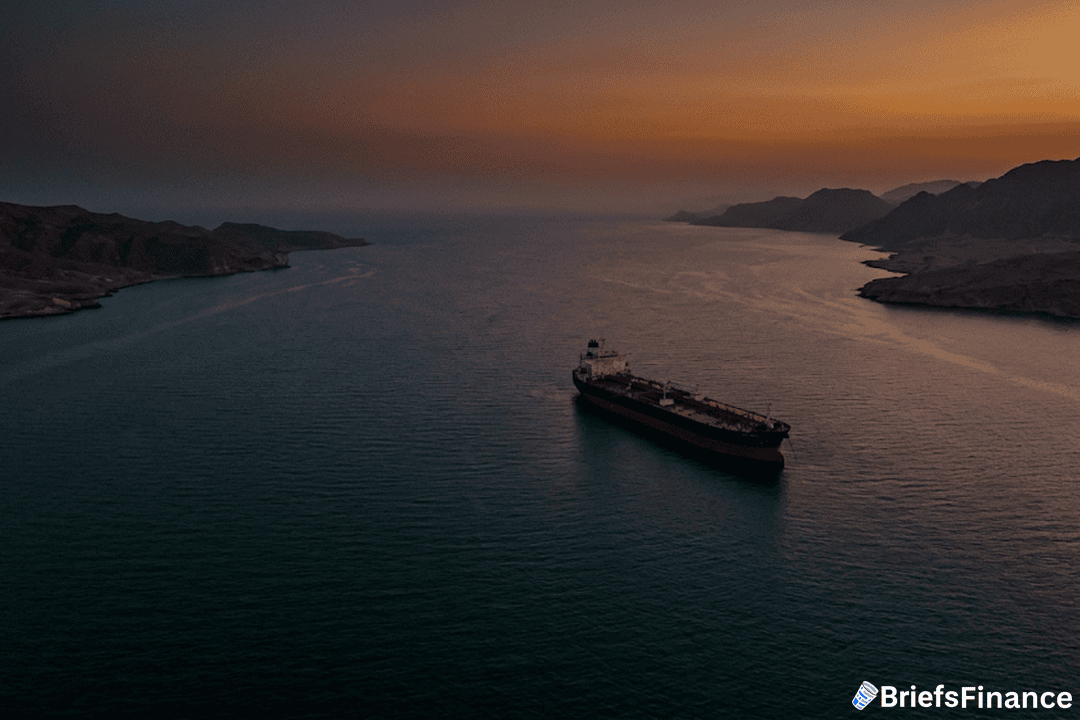
Yemen's Houthi rebels made a big move on July 20. Their spokesperson, Yahya Saree, posted a video on his X account announcing a maritime blockade on Saudi Arabia - basically saying no Saudi vessels are allowed through the Red Sea.
An oil tanker official in the area reported hearing a radio broadcast in which a caller identifying as "Yemeni armed forces" warned that Saudi ships were blocked. A person familiar with the situation stated, "The crew who picked up the transmission considered it genuine." Representatives from Saudi energy authorities could not be reached for immediate comment.
The Houthis say this is a response to what they describe as "Saudi Arabia's siege on the Yemeni capital, Sana'a." Tensions have been brewing for weeks. The previous week, Saudi forces bombed Sana'a's airport, and in retaliation Houthi militants struck an airport in southern Saudi Arabia, marking the most severe clash between the two sides since the 2022 truce.
The latest escalation follows years of intermittent conflict. The region remained on edge despite a largely respected April 2022 UN-brokered ceasefire, broken by periodic violations and stalled peace talks. Saudi Arabia has led a military coalition against the Houthis since 2015, while the group receives backing from Iran.
Get the market news that matters in a five-minute read with Market Briefs, our free daily newsletter
The Red Sea and its narrow chokepoints have been flashpoints before: beginning in late 2023, the Houthis caused significant disruption to maritime traffic around the Bab el-Mandeb Strait, a narrow waterway at the Red Sea's southern entrance, for several months. Nearly all ship traffic on that route came to a standstill, forcing carriers to abandon the fastest sea lane connecting Asia and Europe. That earlier campaign raised insurance costs and delayed deliveries, though oil supplies were largely unaffected before now.
The blockade target is not random. The Red Sea is a major highway for oil. Saudi Arabia ships a huge chunk of its crude out of the port of Yanbu on the Red Sea coast.
Yanbu's record exports of 4.19 million barrels per day in the prior month underscore its critical role. A sustained blockade would force Saudi Arabia to reroute crude through the Persian Gulf's Ras Tanura or other eastern terminals, adding transit time and cost. Given that the Strait of Hormuz is already under strain from US-Iran tensions, the simultaneous threat to both chokepoints could create an unprecedented squeeze on global oil supplies.
This is just the latest threat to Middle Eastern oil supplies. The Strait of Hormuz - another critical chokepoint for global oil - is already near a standstill because of reciprocal strikes involving the US and Iran. Two major oil transit lanes under pressure at the same time is unusual.
On Monday, the global Brent crude benchmark moved in response to the potential for either heightened conflict or a diplomatic resolution.
Join Market Briefs, our free daily newsletter, for a quick daily rundown of the markets