Trump's 10% tariff was ruled illegal last month. It's still being collected anyway. On Thursday, a US appeals court said it can stay in place. That holds at least until the judges issue a final ruling.
The court ruled the tariff can stand while the case plays out. Its reason: the government is "likely to succeed on the merits." In plain terms, the judges think it will probably win.
A tariff is a tax on goods coming into the country. As long as it stands, importers keep paying it. Those costs often get passed straight to shoppers.
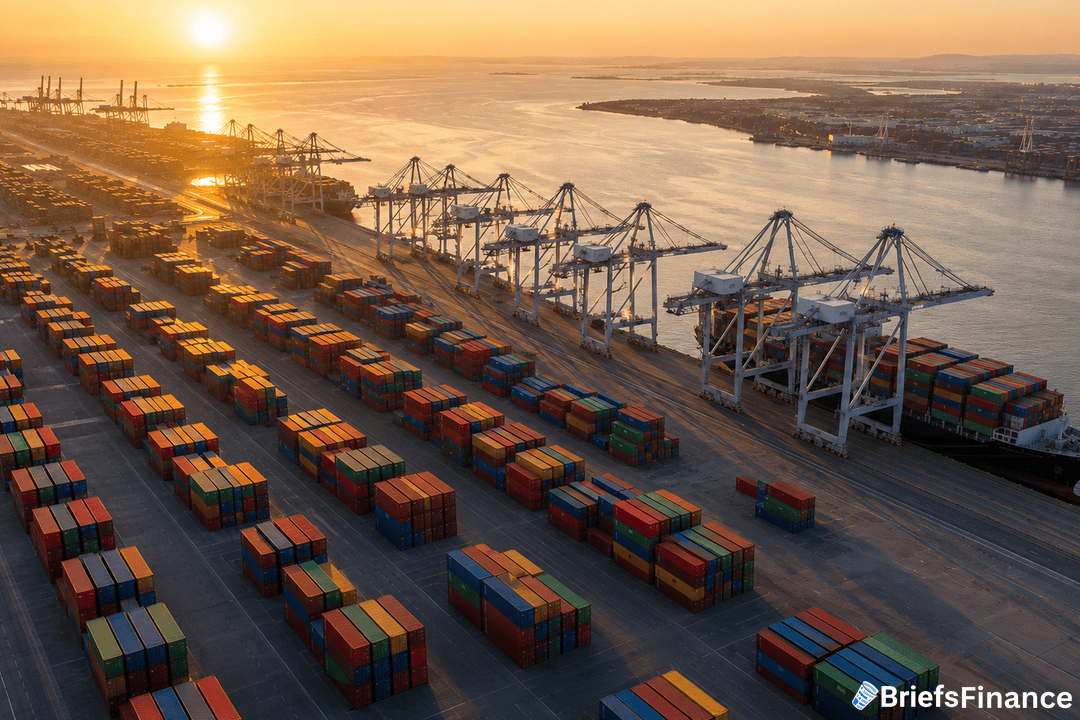
The tariff hits most goods entering the US. That covers a big share of what stores sell.
The court had paused the case once before. This ruling lets the tariff run with no pause at all. It's a win for the White House, at least for now.
The case has bounced between courts for months. It keeps landing back in the government's favor on appeal.
We break down how policy fights like this hit your portfolio every morning in Market Briefs - five minutes a day, with a free investing masterclass when you join.
Let's back up. Trump first tried sweeping tariffs under an emergency law. The Supreme Court struck those "Liberation Day" duties down in February.
So he switched legal tools. He pointed to Section 122 of a 1974 trade law. It lets a president add a tariff up to 15% for up to 150 days to fix a big trade gap.
That law had never been used this way before. No sitting president had tapped it to set tariffs.
The 150-day clock is the catch. The law was built for short, emergency use, not a lasting tariff.
Think of Section 122 as a backup key. When the Supreme Court locked the front door, the White House reached for it.
A lower trade court ruled that move illegal too. A split panel made the call in May.
The fight comes down to one dusty phrase: "balance-of-payments." The phrase dates back decades, to an era of fixed exchange rates. The lower court leaned on that history, but the appeals court hinted it read the phrase too narrowly.
The groups fighting the tariff are a set of states and two small firms. The states are led by Democrats. Their lawyer said the ruling wasn't a call on the merits. It was just on whether the tariff pauses during appeals.
She vowed to press on. She also called this kind of relief "extraordinary."
The court noted one more thing. If the tariff is later tossed out, importers could get refunds with interest, though not right away.
For now, the duties keep flowing into the Treasury. Importers foot the bill while the fight drags on.
A final decision could take months. This one is likely headed back to the Supreme Court.
Want the news that moves markets in plain English? Join 350,000+ readers of Market Briefs and get a 45-minute investing course as a bonus.