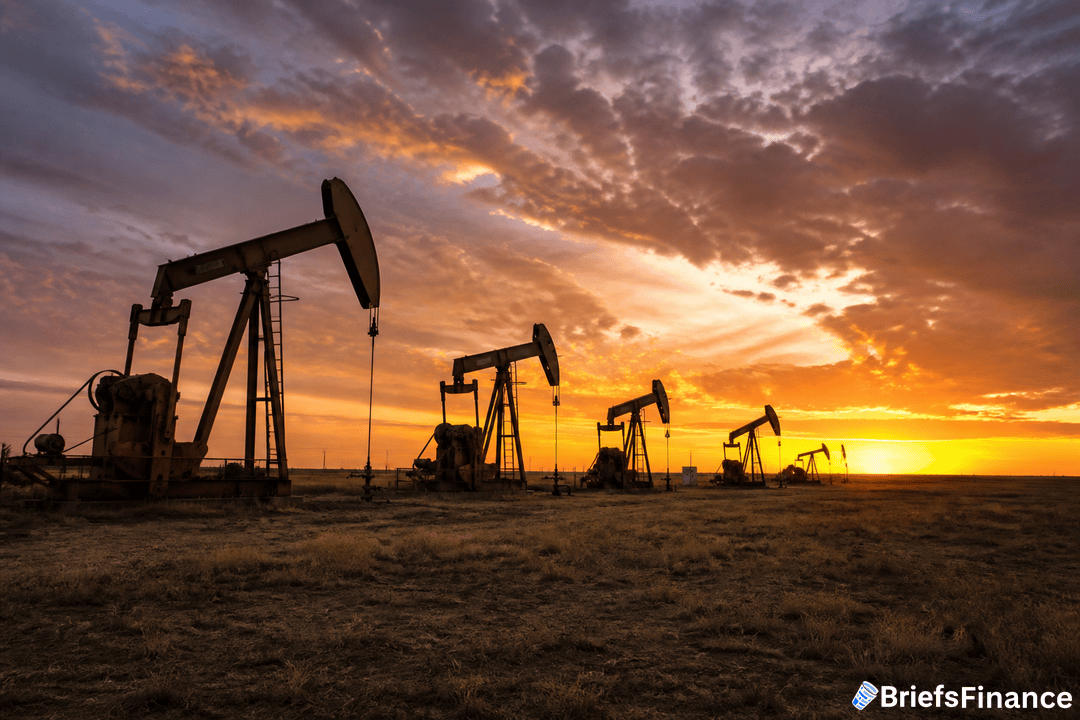
Traders bid up crude as headlines rolled in. Brent finished Monday up 1.5% at $97.73 a barrel and topped out at $97.93, levels last seen on July 23. U.S. benchmark WTI added 1.8% to $93.10, also the strongest since late July. Separate delayed quotes showed WTI at 92.68, up 1.20 or 1.31%, at 12:28 PM EDT, and ICE Brent at 97.16, up 0.88 or 0.91%, at 5:28 PM BST.
Following Iran's launch of ballistic missiles targeting two Navy warships on Saturday, U.S. Central Command reported that American forces hit three Iranian oil tankers. CENTCOM said the ships belonged to a "multibillion-dollar shadow network" that channels money to Iran's Revolutionary Guard and affiliated groups operating across the region. Tehran's Foreign Ministry denounced strikes against commercial vessels as a "war crime" and "economic warfare."
The Financial Times reported fresh strikes on Saudi Aramco facilities Monday. Damage was still being evaluated at the site in Jizan, which includes a 400,000-barrel-per-day refinery, and the report said it was not immediately clear who carried out the attack. The latest exchange came roughly a week after hostilities between the U.S. and Iran picked back up, bringing to a close about a month during which the conflict remained relatively calm; it crossed the six-month mark in August.
Even when headlines shift, patient investors benefit from a plan; download the free Always Be Buying E-Book today
Higher crude is filtering through to the pump. Gasoline and diesel both set new price records for a Labor Day weekend. For everyday budgets, that means fuel costs could stay sticky if the Middle East remains tense and crude holds near recent highs.